Start with Savannah's materials, deposits, and building history
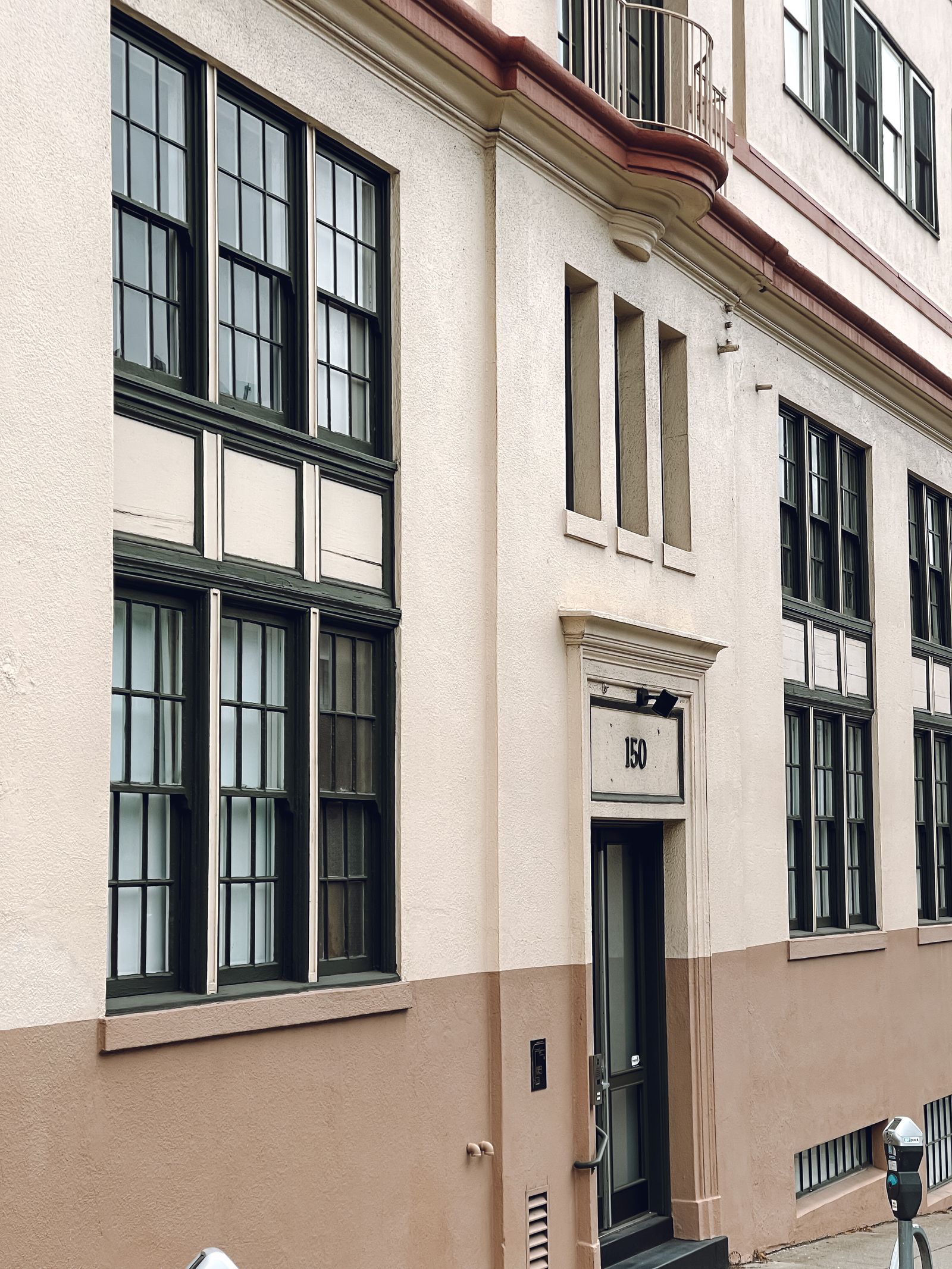
Savannah properties often combine historic brick, soft mortar, cast stone, concrete, painted block, metal panels, glass, stucco, EIFS, awnings, sealants, and newer additions. Downtown and the Historic District may include older masonry beside storefront glazing, ornamental details, and repairs from different eras. Midtown, Southside, Pooler, and the industrial corridors around Garden City can include larger concrete, tilt-up, metal, loading, and warehouse elevations. The same dark area can be organic staining, salt and atmospheric film, minerals, oxidation, soot, bird residue, or a water-management problem. A useful quote begins with identification rather than a single machine setting.
Soft washing can suit compatible organic growth, pollen, mildew-like staining, bird residue, and some atmospheric film when the chemistry, dwell time, rinse, and protection are appropriate. Historic masonry deserves particular care: cleaning is not a repair for open joints, cracked brick, spalling, failed sealant, rising damp, or a leaking roof edge. Testing a representative area helps determine how the surface responds and whether the visible deposit is actually removable. The scope should explain expected improvement and limitations before a crew starts.
- Separate historic brick, mortar, concrete, glass, metal, stucco, EIFS, paint, and coated surfaces.
- Distinguish salt film, minerals, oxidation, exhaust, organic staining, bird residue, and runoff marks.
- Use a test area when masonry age, coatings, repairs, or finish condition are uncertain.
- Keep masonry repair, glass restoration, sealant work, painting, and leak diagnosis outside routine washing.
Build a scope for hospitality, port, healthcare, education, and office properties
Savannah's hospitality properties may serve guests arriving on foot, by shuttle, and by car. Hotels near River Street, the Historic District, the convention area, the airport, and Pooler may need arrival lanes, lobby-facing glass, patios, signage, loading areas, and event traffic protected. A pre-season refresh, post-storm cleanup, ownership transition, or recurring facade program can require different elevations and hours. A phased plan may keep the main entrance open while upper walls, service sides, or secondary entries are addressed.
Healthcare facilities and medical offices along Memorial Health University Medical Center, the medical district, Abercorn Street, and Southside corridors need clear patient drop-offs, accessible paths, emergency access, air-intake protection, and careful communication with facilities staff. Education properties around Savannah State University, SCAD, and local schools may need work timed around class changes, athletic events, parents, and pedestrian movement. Office buildings in Midtown, downtown, and the Wilmington Island and Pooler areas often need tenant notices, parking coordination, and low-noise staging.
Port, logistics, warehouse, and manufacturing properties near Garden City, the Georgia Ports Authority area, I-16, I-95, and Chatham Parkway bring truck movements, gates, security, loading docks, containers, rail adjacency, and production schedules into the cleaning plan. Broad metal or concrete walls may sit beside sensitive equipment, painted panels, vents, or electrical components. The quote should state whether the objective is curb appeal, a safety-related cleanup, a tenant handoff, a facility refresh, or removal of a specific deposit. That objective determines access, protection, sequence, and closeout documentation.
Account for salt, humidity, rain, heat, and coastal storms
Savannah's coastal air can deposit salt and atmospheric film on exposed metal, glass, signs, and upper facades. High humidity and shade can keep brick, stucco, canopies, and recessed entries damp. Heavy rain may move soil from roof edges and ledges down a wall, while wind can carry spray toward pedestrians, vehicles, landscaping, or neighboring property. Spring pollen, summer heat, and tree cover create different conditions on north-facing walls, courtyards, loading areas, and shaded entrances. Coastal storms can also bring rapid changes in wind, lightning, visibility, and runoff.
The work window should consider forecast, wind, lightning, rain probability, surface temperature, humidity, drying time, guest and traffic activity, and any storm-related rescheduling. Sun can shorten dwell time on an exposed elevation while a shaded wall stays wet. Rain can dilute an application or move rinse water toward a curb inlet, marsh-facing drainage feature, garage ramp, swale, or neighboring property. A pre-work walk should identify low points and water paths before hoses, barriers, lifts, or aerial equipment are staged.
Recurring streaks deserve attention beyond cleaning. Overflowing gutters, blocked scuppers, downspouts, failed joints, irrigation, condensation, roof-edge defects, or salt-laden water can keep a section wet or visibly marked. The crew can document patterns for the owner to investigate, but a wash should not be represented as a repair or permanent solution to an active building-envelope issue.
- Review wind, lightning, rain, heat, humidity, surface temperature, drying time, and storm alerts.
- Inspect roof edges, gutters, downspouts, canopies, joints, and low walls for repeat wetting.
- Protect landscaping, air intakes, vehicles, finishes, pedestrians, and neighboring properties.
- Set pause and reschedule triggers before equipment, hoses, barriers, or aerial systems arrive.
Choose drone, lift, pole, or hand access by elevation
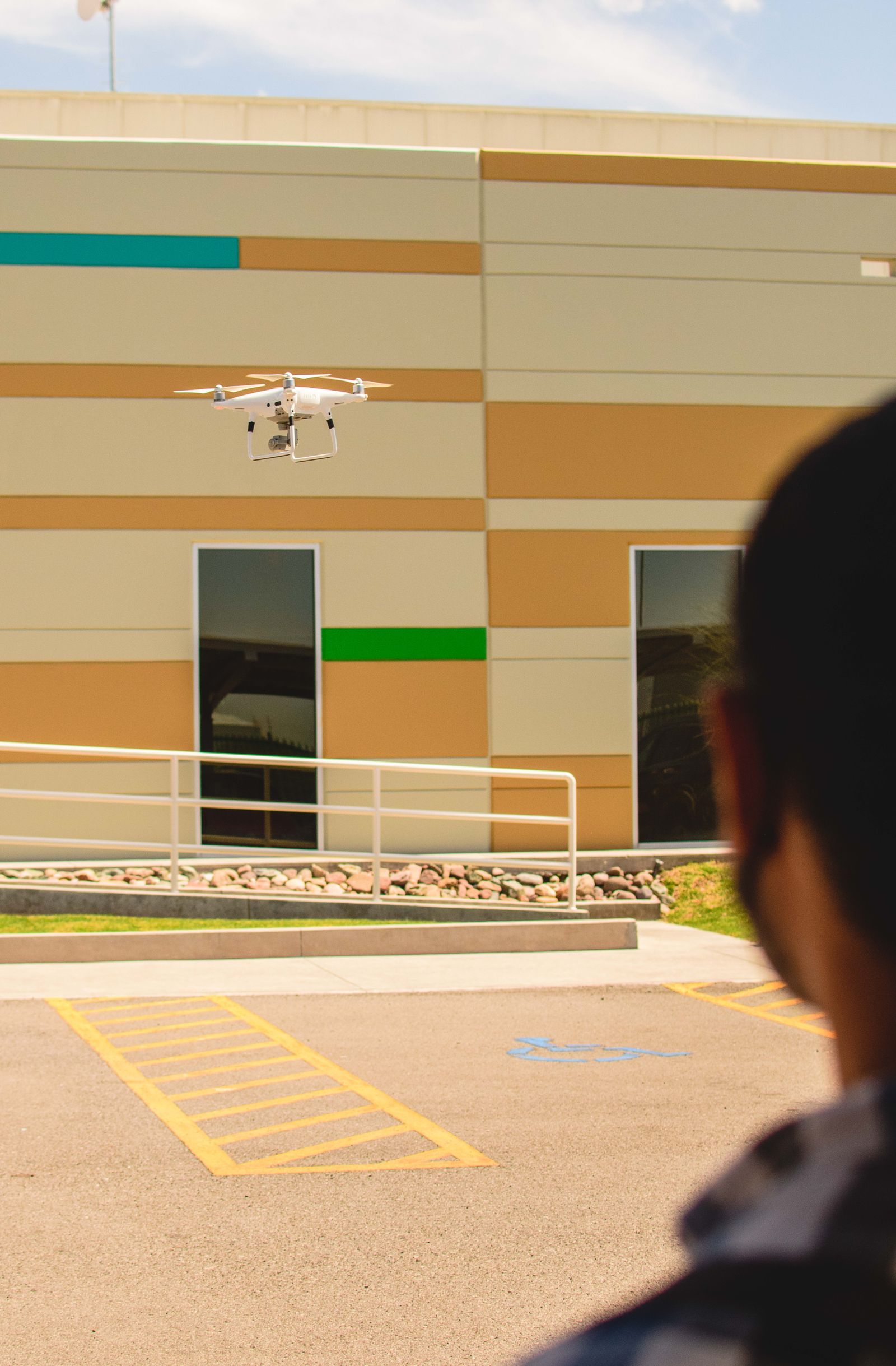
Drone assistance may be considered for suitable broad upper elevations when there is adequate stand-off distance, a controlled launch and recovery area, visual control, manageable wind, public separation, and an acceptable water path. It can reduce some repositioning for compatible parapets, ledges, sign bands, or tall walls. It does not contact-clean glass, brush historic ornament, remove bonded mineral deposits, diagnose concealed moisture, repair masonry, or make an unsuitable cleaning chemistry appropriate. The proposal should identify which elevations are candidates for aerial support and which remain ground, pole, lift, roof-access, or hand work.
Savannah sites may include mature live oaks, balconies, overhead utilities, active roads, airport-adjacent activity, rooftop equipment, event crowds, port security, and tight historic streets. Commercial drone operations remain subject to applicable Federal Aviation Administration requirements and any required authorizations; property permission does not replace aviation rules. If the public zone cannot be controlled, wind moves the rinse path, or recovery space is limited, a lift, water-fed pole, ground setup, or hybrid plan is more appropriate.
A hybrid sequence can use aerial support on an appropriate upper wall, a water-fed pole for selected glass, controlled low-pressure work on durable concrete, and hand detail around doors, signs, canopies, storefronts, and historic features. Height alone does not determine the method. Material, deposit, access, drainage, people nearby, and the finish the customer actually wants all matter.
Protect guests, patients, students, tenants, trucks, and public routes
Before application, map entrances, accessible routes, loading docks, air intakes, cameras, electrical equipment, landscaping, vehicles, signs, outdoor seating, port gates, and neighboring property. A hotel may need a protected arrival lane and clear lobby approach. A medical site may need patient drop-off and emergency routes open. An education campus may need barriers moved around class changes. A logistics site may require a security escort, spotters, truck coordination, and a window between gate or dock movements. An office or retail property may need tenant notices and a sequence that keeps the most visible entrance operational.
The field plan should identify water access, hose routing, barriers, spotters, protection, emergency paths, drainage features, and the person authorized to pause work. Savannah parking lots and campuses can drain toward storm inlets, swales, detention areas, garages, pavement joints, or low points near a neighboring business. Rinse water can travel farther than the facade suggests, so the site contact should identify drainage before setup. The exact response depends on product, volume, surface, and property requirements; a drain is not automatic permission for treated discharge.
Closeout documentation can show completed elevations, remaining deposits, deferred areas, pre-existing damage, weather interruptions, and visible conditions needing another trade. For an occupied property, the customer is buying predictability as much as a brighter wall. A phased schedule can reduce the number of entrances, parking lanes, gates, or loading areas controlled at one time while still addressing the requested result.
- Locate accessible routes, patient and guest entrances, student paths, loading docks, landscaping, and air intakes.
- Confirm water access, barriers, hose routes, spotters, security, emergency access, and drainage before staging.
- Coordinate hotel, medical, campus, office, retail, port, delivery, tenant, and event activity.
- Record completed zones, remaining deposits, observed damage, and conditions requiring another trade.
Request a Savannah quote that explains the work
Send the property address, photos of each elevation, facade materials, approximate height, priority areas, desired finish, prior cleaning history, water access, drainage concerns, operating restrictions, and preferred dates. Mention whether the site is historic, hospitality, healthcare, education, office, retail, logistics, port-related, warehouse, or manufacturing. Include guest, patient, student, tenant, employee, delivery, truck, parking, security, or event constraints. Those details allow the scope to compare soft washing, controlled pressure, aerial assistance, poles, lifts, and hand detail by zone.
Ask the provider to explain testing, chemistry, protection, access, water management, weather and aviation assumptions, exclusions, and closeout. A dark mark under a gutter, damaged masonry joint, corroded panel, or failed sealant may require another trade rather than a promise of complete removal. Drone Building Cleaners can review a Savannah property and build a practical sequence around the way it operates. Call +1 239-351-2897, email contact@dronebuildingcleaners.com, or use the quote form to get started.